Long before the television shows, reality series and documentaries about prospectors searching for gold in Alaska, one Beloit man actually lived that adventure. His name was John W. Crist.
In the late 1880s, Crist was a young carpenter working in Beloit for the Cunningham Brothers. Like thousands of other young Americans of his generation, he dreamed of something bigger than the life he knew. So he headed west, helping build bridges for the Northern Pacific Railroad through the mountains before eventually pushing even farther north toward Alaska and the Yukon.
When gold was discovered in the Klondike in 1896, people from around the world rushed north hoping to strike it rich. Most failed. John Crist was one of the few who came home successful.
Exactly how much gold he found has been lost to history, but it was enough to transform his life forever. When he returned to Beloit around 1901, he purchased the family farm on Afton Road and gave it a name that reflected the place that had changed his life: Klondike Farm.
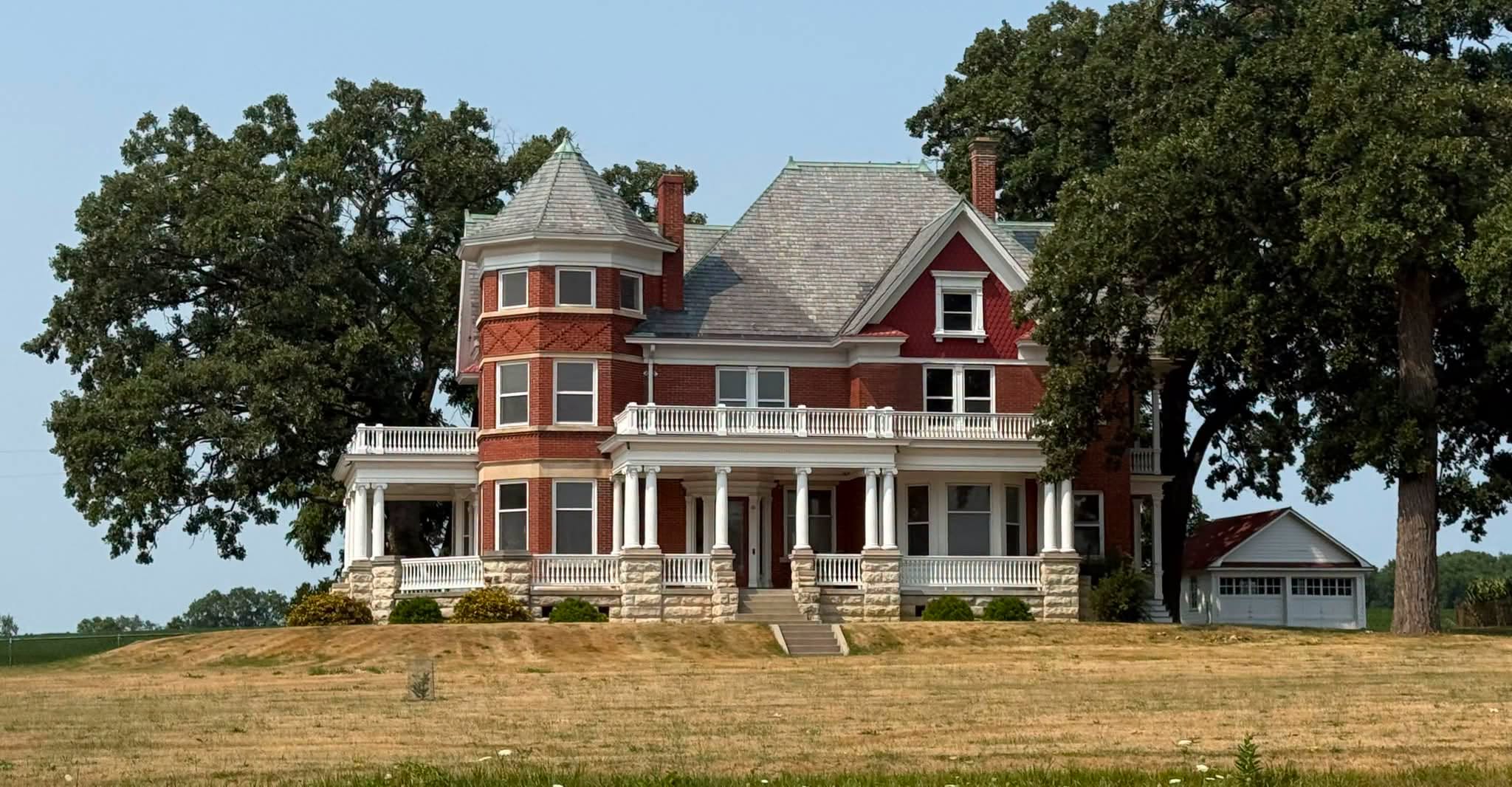
Over the next several years, he built one of the grandest farmhouses Rock County had ever seen.
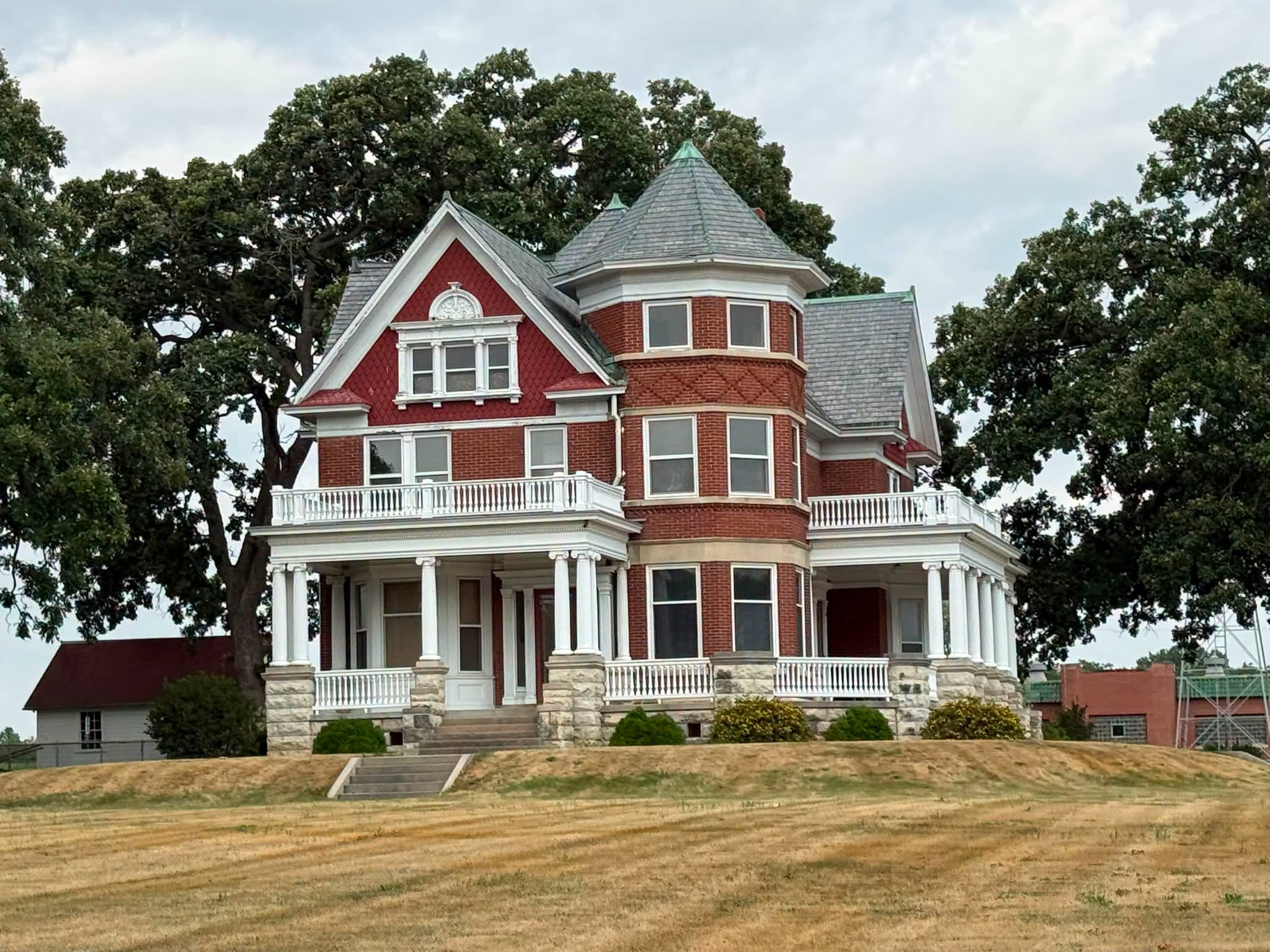
The elegant Queen Anne home featured steep gables, decorative woodwork, broad porches and the kind of craftsmanship you would expect from a man who had once earned his living with his hands. Today it is recognized as one of Beloit’s finest surviving rural Queen Anne homes and has been listed on the National Register of Historic Places since 1983. But Crist wasn’t interested in simply owning a beautiful home.
He became a serious farmer. Klondike Farm developed a respected flock of sheep, a large herd of beef cattle and some of the finest farm buildings in Rock County. Crist also became active in public service, serving on the Rock County Board while promoting agricultural improvements throughout the area.
Then disaster struck. In 1914, a devastating fire destroyed many of the farm’s barns and outbuildings. Rather than rebuild, Crist sold the property and moved into Beloit, where he and his wife Adah lived at 905 Bushnell Street. He remained a respected member of the community until his death in 1935. Friends remembered him as a quiet, thoughtful man who preferred listening over talking.
Most stories would end there. This one doesn’t.
By the early 1940s, the property entered another remarkable chapter. W. C. Heath, an executive with A. O. Smith, purchased the farm, built an impressive concrete, brick and steel dairy barn, assembled one of Wisconsin’s finest Brown Swiss cattle herds and renamed the property Swisstown.
In 1947, A. O. Smith purchased the entire farm and transformed it into a research center where engineers tested new dairy equipment and agricultural innovations, including products that would help shape modern farming.
Today, the old farmhouse still stands quietly at 2601 Afton Road.
Thousands of people have driven past it without realizing they were looking at a home built by a Beloit carpenter whose life took him from Beloit to the mountains of the Yukon during one of history’s greatest gold rushes and then back home again.
Sometimes the most remarkable adventures don’t end in faraway places. Sometimes they end right here in Beloit.
Photo and sources
Photographs by Thomas Pullen. Sources include the National Register of Historic Places documentation for Klondike Farm and historical accounts of John W. Crist, the farm’s later Swisstown chapter and A. O. Smith’s agricultural research center.